Book Appointment Now


Why Do I Get Acidity After Every Meal? Causes & Treatment
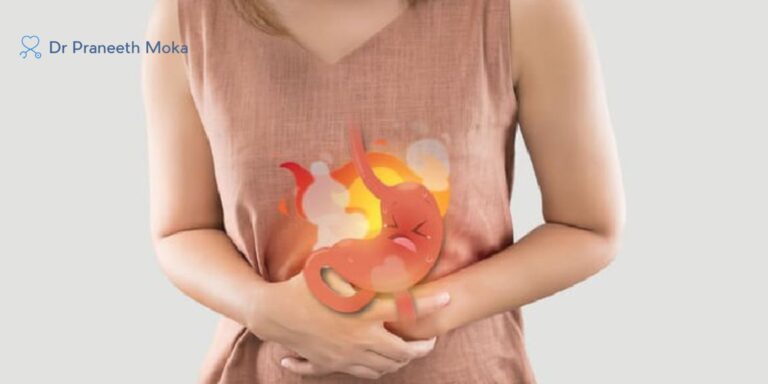
Acidity after meals is one of the most common digestive complaints people experience today. Many individuals notice burning in the chest, sour taste in the mouth, bloating, or discomfort shortly after eating. If you feel acidity after almost every meal, it may indicate an underlying digestive issue that needs attention.
While occasional acidity is normal, frequent symptoms should not be ignored. Consulting the best gastroenterologist in narsingi can help identify the root cause and prevent complications.
Understanding Acidity After Meals
Acidity occurs when excess stomach acid flows back into the esophagus. The stomach naturally produces acid to digest food, but when this acid moves upward, it causes irritation and burning sensations.
This condition is commonly known as acid reflux or GERD (Gastroesophageal Reflux Disease).
Typical symptoms include:
- Burning sensation in the chest (heartburn)
- Sour or bitter taste in the mouth
- Bloating after eating
- Frequent burping
- Nausea after meals
- Feeling of heaviness in the stomach
- Difficulty swallowing in severe cases
If these symptoms happen regularly after eating, it is advisable to consult the best gastroenterologist in narsingi to evaluate your digestive health.
Why Do I Get Acidity After Every Meal?
Several factors can trigger acidity after eating. Understanding these causes can help you manage and prevent the problem.
1. Eating Too Fast
One of the most overlooked reasons for acidity is eating too quickly.
When you eat fast:
- You swallow excess air
- Food is not chewed properly
- The stomach struggles to digest large chunks
This can increase acid production and lead to reflux.
Solution
- Eat slowly
- Chew food thoroughly
- Take small bites
- Avoid distractions while eating
If acidity persists even after improving eating habits, the best gastroenterologist in narsingi can help determine whether another digestive disorder is present.
2. Overeating
Eating large meals stretches the stomach and increases pressure inside it. This pressure can push acid back into the esophagus.
Common signs of overeating-related acidity include:
- Severe heaviness after meals
- Acid reflux when lying down
- Bloating
- Burping
Prevention Tips
- Eat smaller meals
- Avoid late-night heavy dinners
- Leave some space in the stomach instead of eating until completely full
If overeating frequently leads to acidity, consulting the best gastroenterologist in narsingi can help create a suitable dietary plan.
3. Spicy and Oily Foods
Certain foods trigger excess acid production in the stomach.
Common acidity-triggering foods include:
- Deep fried snacks
- Spicy curries
- Fast food
- Processed foods
- Excessive garlic and onions
- Carbonated beverages
These foods relax the lower esophageal sphincter (LES), allowing stomach acid to move upward.
Diet Adjustment
Reducing oily and spicy food intake can significantly reduce acidity symptoms. A consultation with the best gastroenterologist in narsingi can help you identify food triggers specific to your body.
4. Drinking Tea or Coffee Immediately After Meals
Many people have the habit of drinking tea or coffee immediately after eating.
However, caffeine can:
- Increase stomach acid
- Slow digestion
- Trigger reflux
What You Can Do
- Wait at least 30–45 minutes after meals before drinking tea or coffee
- Limit caffeine intake
- Replace with herbal teas
If acidity still occurs frequently, the best gastroenterologist in narsingi can evaluate whether lifestyle habits are contributing to the issue.
5. Lying Down Right After Eating
Gravity plays an important role in digestion.
When you lie down immediately after eating:
- Food stays longer in the stomach
- Acid can easily move upward
- Reflux symptoms worsen
Healthy Habit
- Stay upright for at least 2–3 hours after meals
- Take a light walk after dinner
- Avoid late-night snacking
Persistent reflux symptoms should be evaluated by the best gastroenterologist in narsingi to rule out GERD or other digestive conditions.
6. Stress and Anxiety
Stress significantly impacts digestive health.
When you are stressed:
- The stomach produces more acid
- Digestion slows down
- Bloating and reflux increase
People with stressful lifestyles often experience acidity after every meal.
Stress Management Tips
- Practice meditation
- Exercise regularly
- Maintain proper sleep
- Reduce screen time before bed
If stress-related digestive symptoms continue, the best gastroenterologist in narsingi may recommend medical evaluation and lifestyle therapy.
7. Gastroesophageal Reflux Disease (GERD)
If acidity happens after almost every meal, GERD may be the underlying condition.
GERD occurs when the lower esophageal sphincter becomes weak or relaxes inappropriately.
Symptoms of GERD include:
- Persistent heartburn
- Chest discomfort
- Chronic cough
- Difficulty swallowing
- Regurgitation of food
GERD requires medical evaluation and proper treatment from the best gastroenterologist in narsingi.
Health Risks of Ignoring Frequent Acidity
Many people ignore acidity assuming it is minor. However, long-term acid reflux can cause serious complications.
These may include:
Esophagitis
Inflammation of the esophagus due to repeated acid exposure.
Esophageal Ulcers
Open sores may develop in the esophagus.
Barrett’s Esophagus
Long-term acid damage can change the lining of the esophagus, increasing cancer risk.
Chronic Indigestion
Persistent acidity can disrupt normal digestion and appetite.
Early diagnosis by the best gastroenterologist in narsingi can prevent these complications.
Treatment Options for Frequent Acidity
Treatment depends on the severity and cause of the problem.
1. Lifestyle Modifications
Most acidity issues improve with simple lifestyle changes.
Recommended habits include:
- Eating smaller meals
- Avoiding trigger foods
- Maintaining a healthy weight
- Not lying down after meals
- Managing stress
- Staying hydrated
If symptoms continue despite these changes, the best gastroenterologist in narsingi may recommend medical tests.
2. Medications
Doctors may prescribe medications to control acid production.
Common medications include:
- Antacids
- H2 blockers
- Proton Pump Inhibitors (PPIs)
These medicines reduce stomach acid and allow the digestive tract to heal.
Always take medications under the supervision of the best gastroenterologist in narsingi.
3. Diagnostic Tests
If symptoms are persistent, doctors may suggest tests such as:
- Endoscopy
- pH monitoring
- Ultrasound
- Blood tests
These tests help identify the exact cause of acidity.
A thorough diagnosis by the best gastroenterologist in narsingi ensures accurate treatment.
Natural Remedies to Reduce Acidity
Some home remedies may help reduce mild acidity symptoms.
Drink Warm Water
Warm water can improve digestion.
Eat Bananas
Bananas naturally neutralize stomach acid.
Consume Buttermilk
Buttermilk contains probiotics that support digestion.
Ginger
Ginger reduces inflammation and aids digestion.
However, frequent acidity should not rely only on home remedies. Consulting the best gastroenterologist in narsingi is essential for long-term relief.
When Should You See a Doctor?
You should consult a specialist if you experience:
- Acidity after every meal
- Severe chest burning
- Difficulty swallowing
- Frequent vomiting
- Unexplained weight loss
- Chronic cough due to reflux
Early consultation with the best gastroenterologist in narsingi can help diagnose and treat digestive disorders effectively.
Acidity After Eating – Common Reasons & How the Best Gastroenterologist in Narsingi Can Help
Acidity after meals is a problem many people experience regularly. The burning sensation in the chest, sour taste in the mouth, or bloating after eating can make everyday life uncomfortable. While occasional acidity is common, experiencing it after almost every meal may indicate an underlying digestive issue.
If you are dealing with frequent heartburn or acid reflux, consulting the best gastroenterologist in narsingi can help identify the root cause and provide effective treatment. Understanding why acidity happens and how to manage it can significantly improve your digestive health.
What Is Acidity?
Acidity occurs when the stomach produces excess acid that flows back into the esophagus. The stomach lining is designed to handle strong acid, but the esophagus is not. When acid moves upward, it causes irritation and the familiar burning sensation known as heartburn.
This condition is commonly associated with acid reflux or Gastroesophageal Reflux Disease (GERD).
Common symptoms include:
- Burning sensation in the chest
- Sour or acidic taste in the mouth
- Bloating after meals
- Frequent burping
- Nausea or discomfort after eating
- Feeling of heaviness in the stomach
If these symptoms occur regularly, the best gastroenterologist in narsingi can help diagnose the condition and recommend appropriate treatment.
Why Does Acidity Occur After Eating?
There are several reasons why people experience acidity immediately after meals. These causes often relate to lifestyle habits, diet choices, or digestive disorders.
1. Poor Eating Habits
One of the leading causes of acidity is unhealthy eating habits. Eating too quickly or not chewing food properly can affect digestion.
When food is not properly broken down, the stomach needs to produce more acid to digest it, increasing the chances of acid reflux.
Healthy eating practices include:
- Eating slowly
- Chewing food properly
- Avoiding overeating
- Maintaining regular meal times
If acidity continues despite improving eating habits, the best gastroenterologist in narsingi can evaluate your digestive system for other possible issues.
2. Consumption of Trigger Foods
Certain foods are known to trigger acid reflux and acidity. These foods increase acid production or relax the valve that keeps stomach acid from moving upward.
Common trigger foods include:
- Spicy foods
- Deep-fried snacks
- Fast food
- Chocolate
- Coffee and tea
- Carbonated drinks
Avoiding or limiting these foods may help reduce acidity symptoms. A personalized diet plan recommended by the best gastroenterologist in narsingi can help prevent frequent reflux episodes.
3. Eating Large Meals
Large meals can put extra pressure on the stomach, making it easier for acid to travel back into the esophagus.
Overeating is especially problematic during dinner, when people tend to eat heavier meals and then go to bed soon after.
To prevent this:
- Eat smaller, more frequent meals
- Avoid heavy dinners
- Maintain a balanced portion size
If you frequently experience discomfort after eating large meals, the best gastroenterologist in narsingi can help determine whether the issue is related to digestion or acid reflux disease.
4. Lack of Physical Activity
A sedentary lifestyle can slow down digestion, increasing the chances of acid reflux after meals.
When digestion slows, food remains in the stomach for longer periods, causing more acid production.
Regular physical activity helps:
- Improve digestion
- Maintain healthy body weight
- Reduce acid reflux symptoms
If lifestyle changes do not improve your symptoms, consulting the best gastroenterologist in narsingi can help identify any underlying digestive disorders.
5. Stress and Mental Health
Stress has a direct impact on the digestive system. Many people notice increased acidity during stressful periods.
Stress can:
- Increase stomach acid production
- Slow digestion
- Trigger indigestion and reflux
Managing stress through meditation, exercise, or relaxation techniques can improve digestive health. If symptoms remain severe, the best gastroenterologist in narsingi can recommend a comprehensive treatment approach.
6. Gastroesophageal Reflux Disease (GERD)
When acidity occurs frequently after meals, it may be a sign of GERD. This condition develops when the valve between the stomach and esophagus becomes weak.
GERD symptoms include:
- Persistent heartburn
- Acid regurgitation
- Chest pain
- Difficulty swallowing
- Chronic cough
Proper diagnosis and treatment from the best gastroenterologist in narsingi can help manage GERD and prevent long-term complications.
Lifestyle Changes to Reduce Acidity
Making simple lifestyle changes can significantly reduce acidity and improve digestion.
Eat Smaller Meals
Large meals increase stomach pressure and acid reflux. Smaller meals help maintain balanced digestion.
Avoid Late-Night Eating
Eating just before bedtime can worsen acid reflux. Try to finish dinner at least two to three hours before sleeping.
Maintain a Healthy Weight
Excess weight puts pressure on the stomach, increasing the risk of acid reflux.
Stay Hydrated
Drinking enough water supports digestion and helps regulate stomach acid.
The best gastroenterologist in narsingi often recommends lifestyle modifications as the first step in managing acidity.
Medical Treatments for Acidity
If lifestyle changes alone do not control acidity, medical treatment may be necessary.
Doctors may prescribe medications such as:
Antacids
These neutralize stomach acid and provide quick relief from heartburn.
H2 Blockers
These medications reduce acid production in the stomach.
Proton Pump Inhibitors (PPIs)
PPIs are commonly used to treat chronic acid reflux and GERD.
The best gastroenterologist in narsingi will recommend the most suitable medication based on your symptoms and medical history.
Diagnostic Tests for Chronic Acidity
If acidity occurs frequently, doctors may recommend tests to identify the underlying cause.
Common diagnostic procedures include:
Endoscopy
A thin camera is used to examine the esophagus and stomach.
pH Monitoring
This test measures acid levels in the esophagus.
Ultrasound
Ultrasound scans can help detect digestive abnormalities.
Accurate diagnosis by the best gastroenterologist in narsingi ensures that patients receive the right treatment for their condition.
Home Remedies That May Help
While medical treatment is often necessary, certain natural remedies may help reduce mild acidity symptoms.
Ginger
Ginger can improve digestion and reduce inflammation in the stomach.
Bananas
Bananas help neutralize stomach acid naturally.
Buttermilk
Buttermilk contains probiotics that support digestive health.
Fennel Seeds
Fennel seeds are known to reduce bloating and indigestion.
However, frequent acidity should not rely only on home remedies. Persistent symptoms should always be evaluated by the best gastroenterologist in narsingi.
When Should You Consult a Gastroenterologist?
You should seek medical advice if you experience:
- Acidity after every meal
- Severe chest burning
- Persistent nausea or vomiting
- Difficulty swallowing
- Unexplained weight loss
- Frequent bloating and indigestion
Early consultation with the best gastroenterologist in narsingi can help diagnose digestive problems before they become serious.
Acidity After Every Meal – Causes, Symptoms, and Treatment by the Best Gastroenterologist in Narsingi
Many people experience acidity after eating, but when it happens after almost every meal, it can become frustrating and uncomfortable. The burning sensation in the chest, sour taste in the mouth, and bloating can disrupt daily life and affect your overall health.
Occasional acidity is normal, but frequent episodes may indicate a deeper digestive issue. If you regularly experience acidity after meals, consulting the best gastroenterologist in narsingi can help identify the underlying cause and provide effective treatment.
What Is Acidity?
Acidity occurs when the stomach produces excess acid or when stomach acid flows back into the esophagus. The stomach lining is designed to handle acid, but the esophagus is not. When acid moves upward, it causes irritation and a burning sensation called heartburn.
Acidity is often associated with acid reflux or Gastroesophageal Reflux Disease (GERD).
Common symptoms include:
- Burning sensation in the chest (heartburn)
- Sour or bitter taste in the mouth
- Bloating after meals
- Frequent burping
- Nausea
- Indigestion
- Feeling of heaviness in the stomach
If these symptoms occur regularly, it is important to seek guidance from the best gastroenterologist in narsingi for proper diagnosis and treatment.
Why Do Some People Get Acidity After Every Meal?
Several factors can cause acidity after eating. These causes can be related to lifestyle habits, diet, or medical conditions.
1. Unhealthy Eating Habits
Eating habits play a major role in digestive health. Eating too quickly or skipping meals can disturb the digestive process.
Poor eating habits that trigger acidity include:
- Eating too fast
- Not chewing food properly
- Irregular meal timings
- Eating very large portions
When food is not digested properly, the stomach produces more acid, leading to acid reflux.
Adopting healthier eating habits can reduce acidity, but if symptoms continue, the best gastroenterologist in narsingi can help identify underlying digestive disorders.
2. Spicy and Oily Foods
Foods that are rich in spices and oil can irritate the stomach lining and increase acid production.
Common trigger foods include:
- Fried snacks
- Spicy curries
- Fast food
- Processed foods
- Excessive caffeine
- Carbonated beverages
Reducing these foods can help control acidity. The best gastroenterologist in narsingi can also suggest a balanced diet that supports healthy digestion.
3. Eating Late at Night
Late-night eating is another major cause of acidity. When you lie down soon after eating, stomach acid can easily flow back into the esophagus.
To reduce this risk:
- Eat dinner at least 2–3 hours before bedtime
- Avoid heavy meals at night
- Stay upright after eating
Following these habits can reduce reflux symptoms. If the problem continues, consulting the best gastroenterologist in narsingi can help determine whether GERD is present.
4. Stress and Anxiety
Stress affects many body systems, including digestion. When a person experiences stress, the stomach may produce excess acid.
Stress-related digestive symptoms include:
- Acidity
- Bloating
- Stomach discomfort
- Loss of appetite
Managing stress through exercise, meditation, and relaxation techniques can help improve digestive health. If symptoms remain severe, the best gastroenterologist in narsingi can recommend appropriate treatment.
5. Obesity and Weight Gain
Excess body weight can put pressure on the stomach, increasing the likelihood of acid reflux.
People who are overweight often experience:
- Frequent heartburn
- Acid regurgitation
- Digestive discomfort
Maintaining a healthy weight through diet and exercise can significantly reduce acidity. The best gastroenterologist in narsingi can provide guidance on weight management and digestive health.
6. Gastroesophageal Reflux Disease (GERD)
If acidity happens regularly after meals, it may be a sign of GERD.
GERD occurs when the lower esophageal sphincter, the valve between the stomach and esophagus, becomes weak or relaxes inappropriately.
Symptoms of GERD include:
- Persistent heartburn
- Acid regurgitation
- Chest pain
- Difficulty swallowing
- Chronic cough
GERD requires medical diagnosis and treatment from the best gastroenterologist in narsingi to prevent complications.
Health Risks of Ignoring Frequent Acidity
Many people ignore acidity symptoms until they become severe. However, untreated acid reflux can lead to several health complications.
These include:
Esophagitis
Frequent acid exposure can inflame the lining of the esophagus.
Esophageal Ulcers
Long-term acid reflux may cause painful sores in the esophagus.
Barrett’s Esophagus
In rare cases, chronic acid reflux can lead to changes in the esophageal lining, increasing the risk of cancer.
Seeking early medical help from the best gastroenterologist in narsingi can prevent these complications.
Treatment Options for Acidity
Treatment for acidity depends on its cause and severity. Doctors usually recommend a combination of lifestyle changes and medications.
Lifestyle Changes
Simple lifestyle changes can significantly improve digestion and reduce acid reflux.
Recommended changes include:
- Eating smaller meals
- Avoiding trigger foods
- Maintaining regular meal timings
- Staying physically active
- Managing stress
- Avoiding lying down immediately after eating
Following these habits can reduce symptoms, but persistent cases should be evaluated by the best gastroenterologist in narsingi.
Medications
Doctors may prescribe medications to reduce stomach acid and relieve symptoms.
Common medications include:
Antacids
These provide quick relief by neutralizing stomach acid.
H2 Blockers
These medications reduce acid production.
Proton Pump Inhibitors (PPIs)
PPIs are often used for long-term treatment of acid reflux and GERD.
Medication should always be taken under the supervision of the best gastroenterologist in narsingi to avoid side effects.
Natural Ways to Prevent Acidity
Certain natural remedies may help control mild acidity symptoms.
Drink Warm Water
Warm water can improve digestion and reduce acidity.
Eat Bananas
Bananas help neutralize stomach acid and soothe the digestive tract.
Ginger
Ginger is known to improve digestion and reduce inflammation.
Buttermilk
Buttermilk contains probiotics that support healthy digestion.
Although these remedies may help, frequent acidity should always be evaluated by the best gastroenterologist in narsingi for proper treatment.
When Should You See a Gastroenterologist?
You should consult a specialist if you experience:
- Acidity after every meal
- Persistent heartburn
- Difficulty swallowing
- Frequent vomiting
- Severe bloating
- Unexplained weight loss
Early consultation with the best gastroenterologist in narsingi can help diagnose digestive problems before they worsen.
Conclusion
Acidity after every meal can affect your comfort, digestion, and overall health. It is often caused by poor eating habits, spicy foods, stress, obesity, or conditions like GERD.
By improving lifestyle habits, following a healthy diet, and seeking timely medical care, you can manage acidity effectively.
If symptoms continue despite lifestyle changes, it is important to consult the best gastroenterologist in narsingi for proper diagnosis and treatment. Expert guidance from the best gastroenterologist in narsingi can help you control acid reflux, improve digestion, and enjoy meals without discomfort.
👉 To Book appointment – https://drpraneethmoka.com/contact/
Call Us For Appointment: +91 70753 52525
Write a Message: info@drpraneethmoka.com |
Follow us on: https://www.instagram.com/praneethgastrocentre